

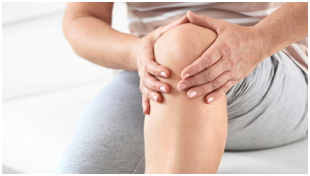
Knee Pain is a common complaint amongst adults. It can also present in different ways and have different causes.
Most knee pain responds very well to these exercises, which help build up the muscles supporting the knee and get it moving better:
- NHS Inform Knee Exercises
- Chartered Society of Physiotherapy Knee Exercises
- Arthritis UK Knee exercises
If your pain does not settle in 6-12 weeks, you may need to seek further advice and can refer to physiotherapy through the self referral method.
It is important to contact your medical practice if:
- Your knee pain came on following a fall or trauma.
- You are unable to weight bear through your affected leg.
- You knee is extremely swollen, hot to touch and/ or red in colour – this may be sign of an infection.
Speak to a healthcare professional if:
- Your knee locks or gives way
- You have pain that is worsening.
Osteoarthritis of the Knee
OA is a condition that affects the joint. It is the most common type of arthritis which causes “wear and tear” of the knee joint.
Common symptoms are:
- Pain
- General stiffness
- Grating or grinding sensation when the joint moves
- Swelling
Diagnosis of knee OA does not necessarily require an x-ray and it can be assumed that this is the cause of your knee pain if you are:
- Aged 45 and over AND
- Have activity related joint pain AND
- No morning stiffness or stiffness that resolves within 30 minutes
Things that can help arthritic knee pain are:
- Maintaining a healthy weight
- Keeping good fitness through walking, cycling or swimming, as well as low impact exercise classes
- Wearing supportive footwear
- Using heat or ice
- Using a walking pole or stick
- Doing specific exercises
Patellofemoral Pain Syndrome
What is patellofemoral pain?
Patellofemoral pain is pain that is felt at the front of and around the kneecap and is commonly caused by an imbalance or tightness of the muscles that support the knee, causing increased pressure through the underside of the kneecap.
What are the symptoms of PFP?
- Pain on the front of or around your kneecap
- Pain aggravated by kneeling or squatting, or going up and down stairs.
- A grinding or scratching sensation or noise coming from the kneecap when bending or straightening the knee.
Patellar Tendinopathy
What is Patellar Tendinopathy?
Patellar tendinopathy is commonly referred to as “jumper’s knee” and is a painful condition affecting the tendon underneath the kneecap. It happens when the tendon becomes irritated and inflamed, usually due to overloading causing increased stress on the tendon.
What are the symptoms of Patellar Tendinopathy?
- Pain beneath your kneecap.
- Swelling beneath or on top of the kneecap.
- Pain increases on squatting, and going down hills and stairs.
You don’t normally need a scan to diagnose this problem and a health care professional will make a diagnosis from a history and specific tests.
This leaflet provides further information on Patellar tendinopathy and exercises that may help.