

Foot and ankle pain can be caused by a number of reasons including; sprains, overuse injuries, changes to the biomechanics of your foot, and osteoarthritis (wear and tear). Individuals can reduce their risk of foot and ankle pain through use of supportive, well fitting footwear, as well as through stretching and strengthening exercises to improve the function of the foot. This section provides some information on self-help for some of the most common foot and ankle conditions.
Many types of foot and ankle pain can be eased by simple over the counter pain relief and modifying your activities and through use of appropriate, supportive footwear. See below for advice on appropriate footwear and calf and ankle stretches.
- General Footwear Advice
- General Advice on calf and ankle stretches
- Wellbeing Service. Live well, feel better
It is important to contact your medical practice if:
- You are unable to put weight on your foot or ankle, making it difficult to walk.
- Your ankle is hot, red and swollen as this may be a sign of infection
- You have swollen or stiff feet.
- You experience burning pain or numbness.
- You are diabetic.
As well as using the advice here, it is also important to think about other contributing factors that may be having an impact on your Musculoskeletal Pain. Sedentary behaviours, carrying excess weight, poor sleeping patterns, and smoking and alcohol intake can have negative effects on pain. There are lots of useful links to help you stay active, sleep well and have a more healthy lifestyle – Wellbeing service.
We have highlighted some common problems and provided information and resources which may be helpful and enable you to self-manage your condition in the sections below. If you do not start to see improvement within 6-12 weeks consider self-referral to podiatry.
Ankle Sprain
If you have sprained your ankle, it is important to initially rest, use ice, elevate the foot, and keep it moving as much as you can. This printable leaflet gives further advice and the exercises that we recommend.
Pain outside of ankle/gone over on your ankle/weak ankle on the outside/ankle instability.
Most likely to be the PERONEAL muscles. Click HERE for more information.
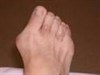
Bunion (Hallux Valgus)
Defomity of big toe sometimes with hammer or clawing of lesser toes. Occasionally pain, hard skin or ulcers due to rubbing on shoes.
What might it look like?
What can you do?
Bunion Patient Information Leaflet
Is surgery the solution?
Hammer/claw toe surgery Leaflet
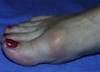
Stiff Painful Big Toe Joint (Hallux Rigidus)
Sometimes with a bony lump around the joint which can rub on shoes. Can be similar to bunion but usually the big toe is straighter.
What might it look like?
What can you do?
Hallux Rigidus Patient Information Leaflet
Is surgery the solution?
Hallux Rigidus Surgery Leaflet
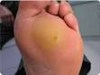
Pain in Ball of Foot (Metatarsalgia)
Pain in the ball of the foot. Hard skin may also be present. Commonly affects those with bunions.
What might it look like?
What can you do?
Metatarsalgia Patient Information Leaflet
Is surgery the solution?
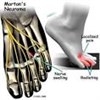
Intermittent Burning/Shooting Pain in Forefoot/Toes (Mortons Neuroma)
Intermittent Burning, shooting pain or ‘Pins and needles’ usually between the toes. Toes may feel numb. Worse with tighter shoes, higher heels and on standing. Usually no visible change to foot.
What might it look like?
What can you do?
Plantar Fasciitis Patient Information Leaflet
Is surgery the solution?
Plantar Fasciitis is self-limiting and resolves in most cases therefore surgery is a last resort and not recommended.
Heel Pain (Plantar Fasciitis)
Heel pain which is worse on first standing from bed or after period of sitting and may radiate into the arch. Usually no visible change to foot
What might it look like?
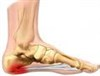
What can you do?
Plantar Fasciitis Patient Information Leaflet
Is surgery the solution?
Plantar Fasciitis is self-limiting and resolves in most cases therefore surgery is a last resort and not recommended.
Fallen Arch (Adult Acquired Flat Foot)
Aching inside ankle and arch. Arch may lower and foot splays. Difficulty standing on tiptoe of affected foot. Usually no visible change in early stages.
What might it look like?

What can you do?
Adult Acquired Flat Foot Patient Information Leaflet
Is surgery the solution?
Adult Acquired Flat Foot Surgery Leaflet
Achilles Tendinopathy
Pain and Stiffness around the Achilles tendon. worse on first standing in the morning. Pain is generally worse after exercise. There may be no visible change in early stages.
What might it look like?
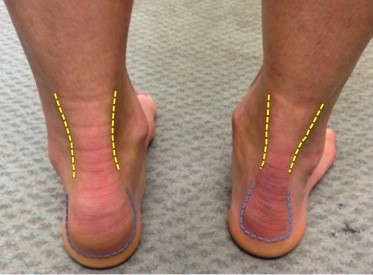
What can you do?
Achilles Tendinopathy Patient Information Leaflet
Is surgery the solution?
Surgery is a last resort for insertional tendinopathy as results are variable and recovery can be prolonged.